Awards Night | Galla Night | Bengaluru
DEVANAHALLI, BENGALURU · 2 DAYS · 450 · OCTOBER 2026 · BY SHARATH B B
 01
 02
 03
 04
 05
 06
 07
 08
 09
 10
 11
 12
 13
 14
 15
 16
 17
 18
 19
 20
 21
 22
 23
 24
 25
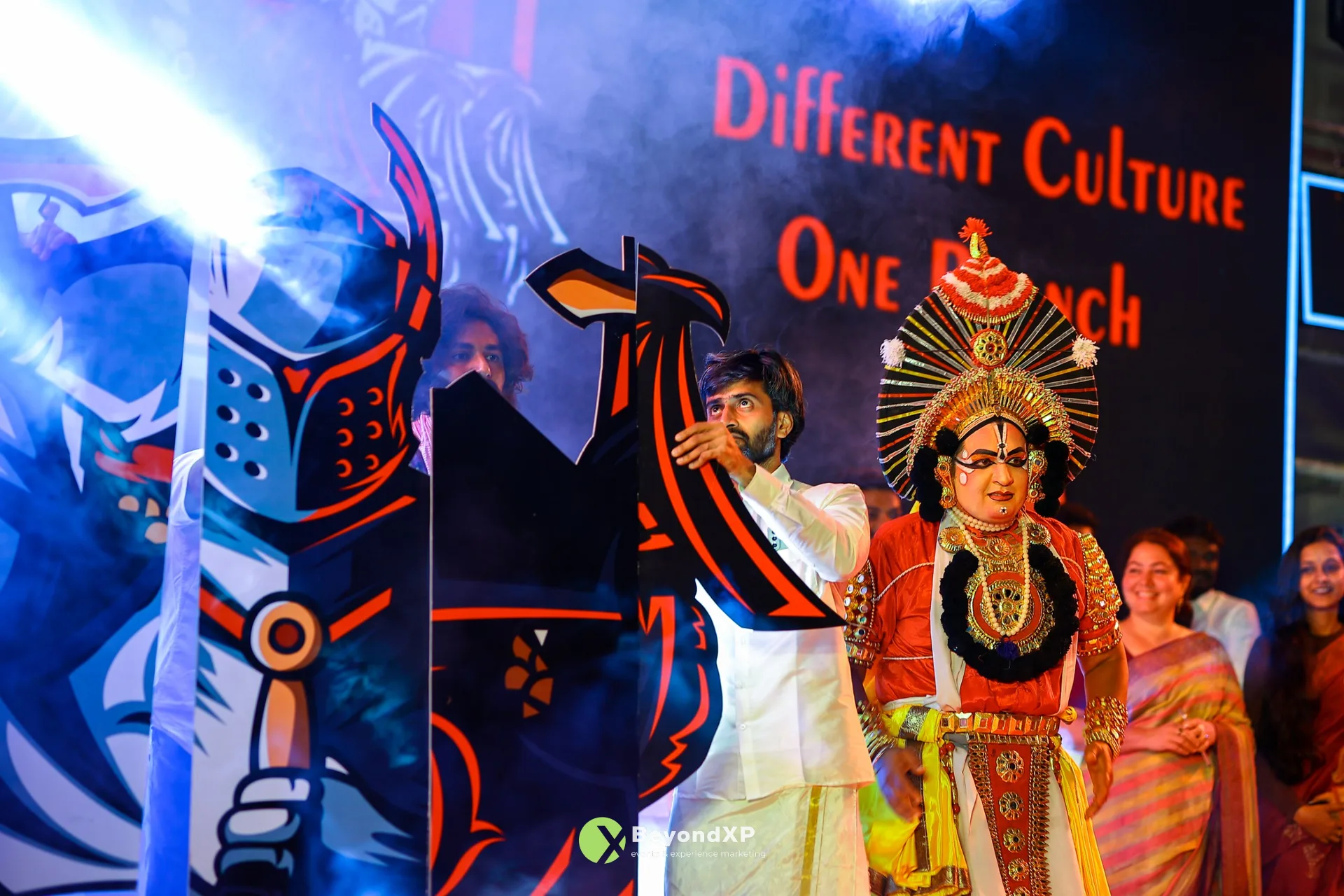 26
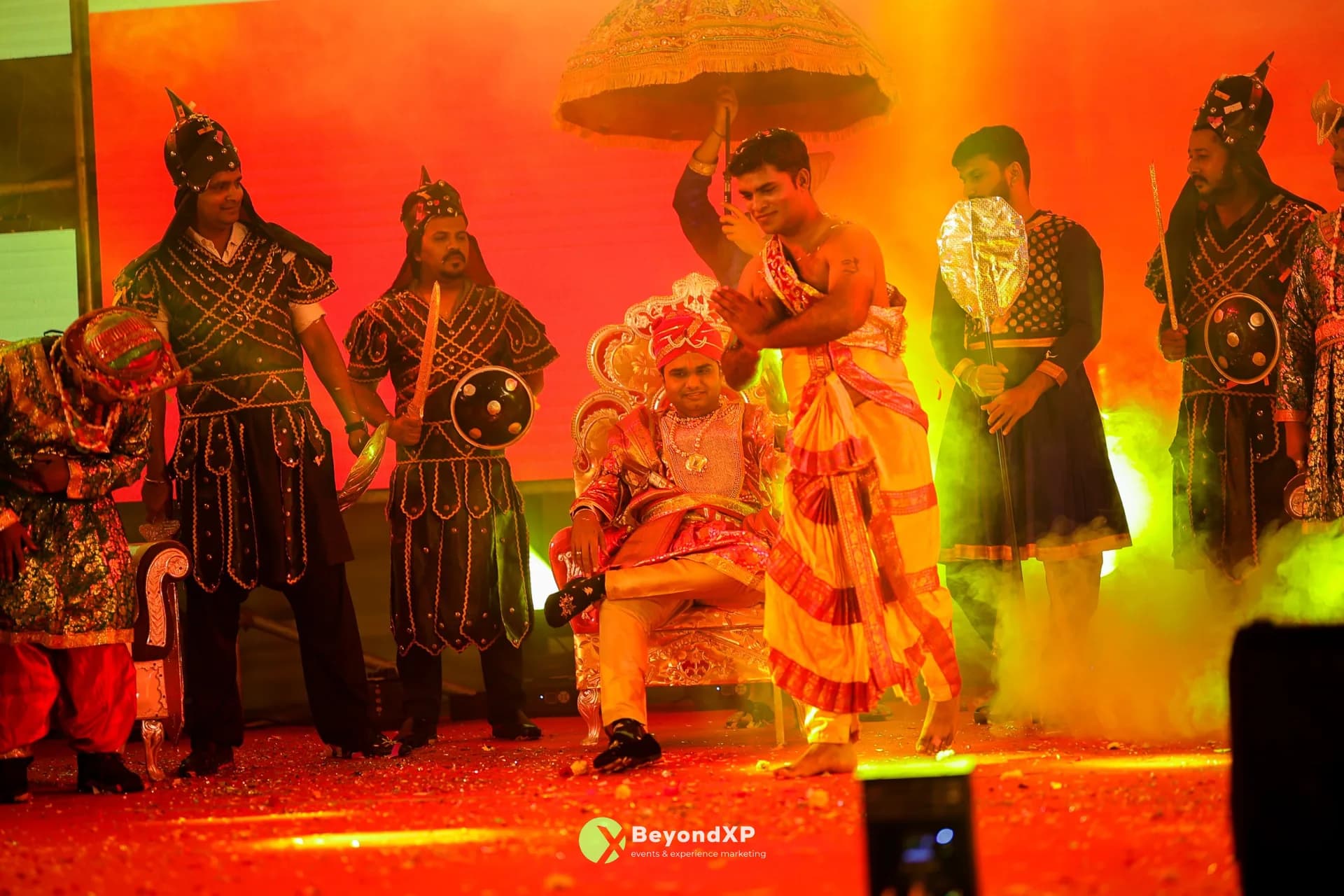 27
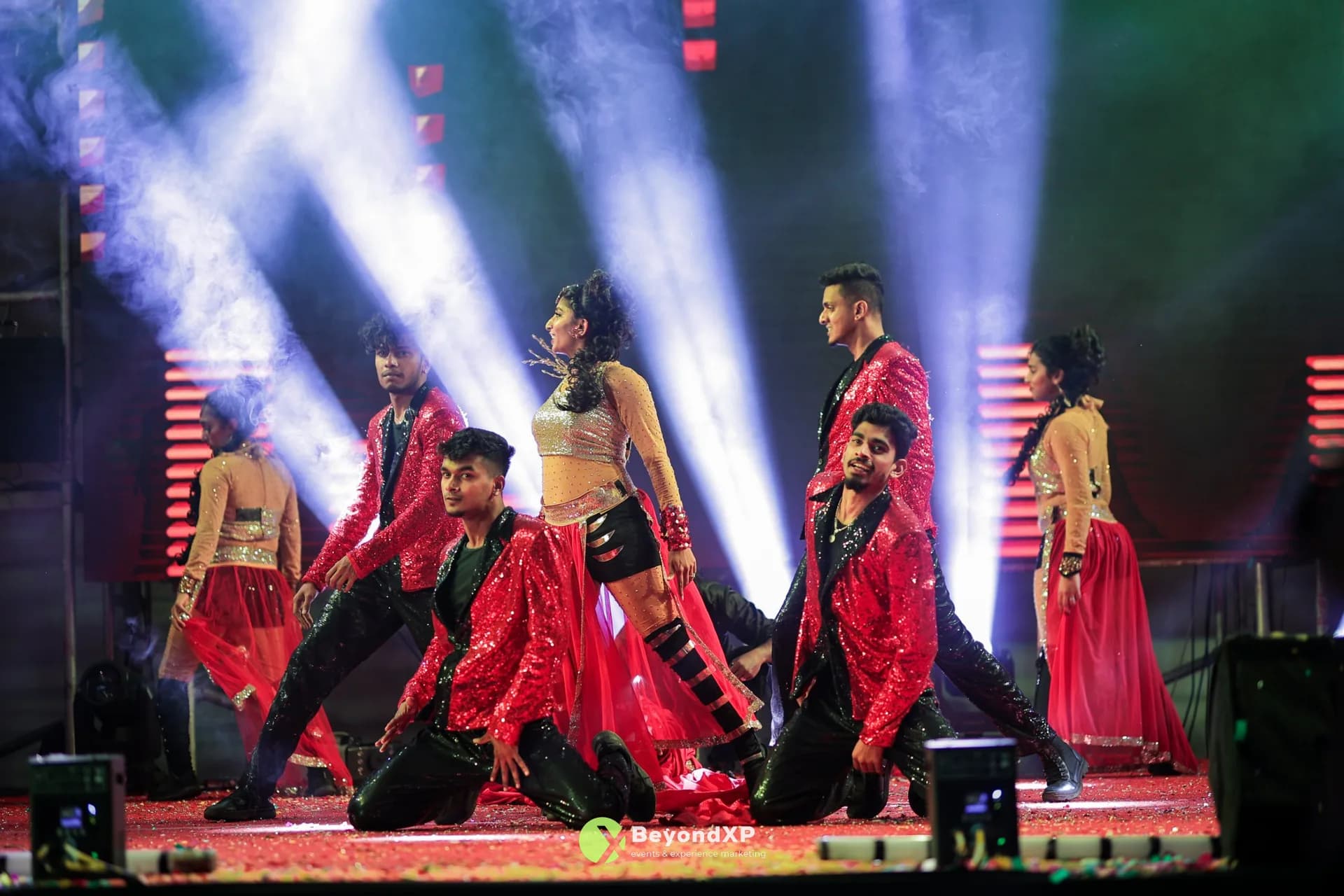 28
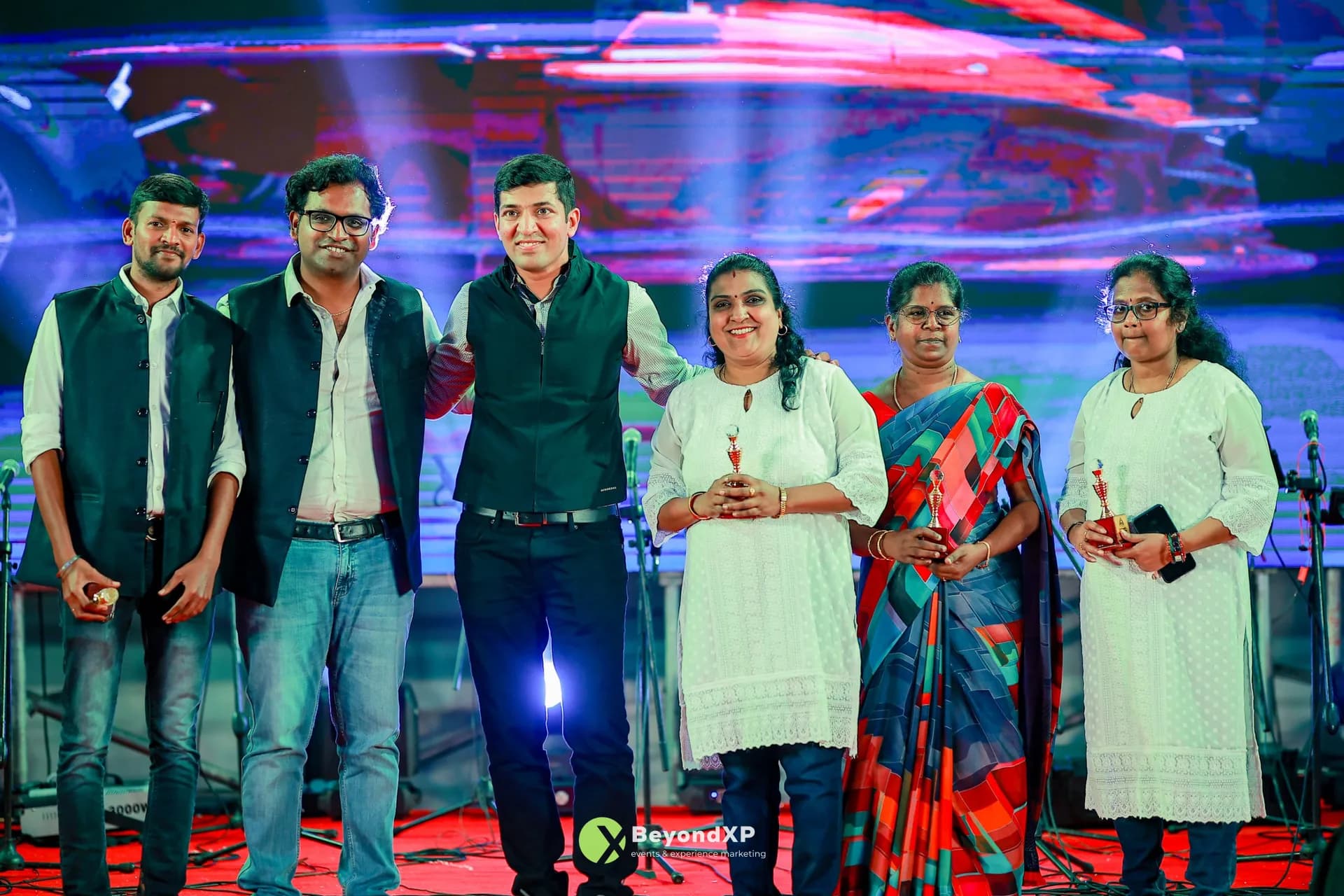 29
Experiential event production at BeyondXP is engineered, not improvised. We start with the outcome the brief is really chasing, work backwards into the creative idea, then pressure-test every production decision against it — space, flow, timing, crew and contingency. The outcome metric we hold ourselves to is plain: zero surprises for the client on show day, and an audience that can still describe the moment afterwards. The result is a live event built on purpose rather than hope, where the experience is designed from first contact to final beat. This page sets out how we think about that work, what we ask before we build, and how we keep a show on its feet when the room, the schedule or the brief shifts on the day.
What Makes Experiential Event Production Work?
Experiential event production works when every decision ties back to a single question: what do we want the audience to feel, do and remember? That sounds obvious, but most live moments drift because the creative idea and the production plan are built in separate rooms. At BeyondXP we refuse to separate them. The idea and the build are the same conversation, because a concept that cannot be produced safely, on time and on budget is not a concept — it is a wish.
So we start at the end. We agree the outcome the brief is really chasing, then work backwards into the creative, and only then into the mechanics of making it real. That order matters. It keeps the spectacle honest and stops the production becoming a showreel of effects that impress no one and move nothing.
Engineered, Not Improvised
Live events have one brutal rule: there is no second take. The audience arrives once, the doors open once, and whatever is or isn't ready becomes the experience. That is why we treat experiential event production as an engineering discipline rather than a creative gamble.
Being engineered means we pressure-test the plan before anyone commits to it. We walk the space and ask how people will actually move through it. We map the run of show minute by minute and look for the moments where timing is tight or a single point of failure could stall the whole room. We brief the crew against the same outcome the client signed off, so everyone on site is making decisions in the same direction when the pressure is on.
- Space and flow: how the audience enters, moves and gathers, designed rather than left to chance
- Run of show: a minute-by-minute timeline that exposes risk before the day, not during it
- Crew and roles: a team briefed against the outcome, not just the task list
- Contingency: a planned answer for the moments where a live room refuses to cooperate
From Brief To Show Day
A good brief rarely arrives fully formed, and that is fine — part of the job is helping sharpen it. We ask what success looks like in plain terms, who the audience is, and what they should be able to say about the moment afterwards. Those answers become the yardstick we hold every later decision against. If a production idea doesn't serve that yardstick, it comes out, however clever it is.
That yardstick is also our outcome metric. We judge a build against two things: zero surprises for the client on show day, and an audience that can still describe the moment afterwards. Both are deliberately plain, because a measure you cannot explain in a sentence is a measure nobody uses once the pressure is on.
From there the work becomes practical. Concept moves into design, design into build, build into rehearsal, and rehearsal into the live moment itself. Each stage is a checkpoint where we confirm the thing we are making still matches the thing we agreed to make. By show day, the aim is simple: no surprises for the client, and a seamless, considered experience for the audience in the room.
That discipline is what carries through all of our live work. You can see how the same method plays out across different briefs and formats in our work, and read more about how we think about live experiences across our services.
Why It Holds Up When Things Change
Rooms change. Schedules slip. A brief shifts the week before the build. The value of engineering the plan upfront is that it bends without breaking — because the outcome stays fixed even when the details move. When the crew understands why a decision was made, they can make a smart call in the moment rather than freezing or guessing. That is the quiet difference between a production that survives a bad hour and one that unravels in it.
Experiential event production, done this way, is never a stunt bolted onto an event. It is the event, built on purpose, so the audience leaves with something they actually carry home. For more on how we approach this across formats, see our insights.
What is experiential event production?
Experiential event production is the practice of designing and delivering live moments that an audience takes part in rather than just watches. At BeyondXP it covers the whole arc — brief, concept, build, crew and show day — so the experience is planned end to end instead of assembled in a rush.
How does BeyondXP approach experiential event production?
We work backwards from the outcome the brief is chasing. The idea comes first, then every production choice — layout, flow, timing, crew and contingency — is pressure-tested against that outcome. It is engineered, not improvised, which is why the show still holds together when conditions change on the day.
How do you measure whether an experiential event worked?
We hold the work to a simple outcome metric: zero surprises for the client on show day, and an audience that can still describe the moment afterwards in plain terms. If the experience can be recalled and repeated back, it did its job.
Let's build yours.
Tell us what you're staging. We'll come back with a scope, a number, and a date.